


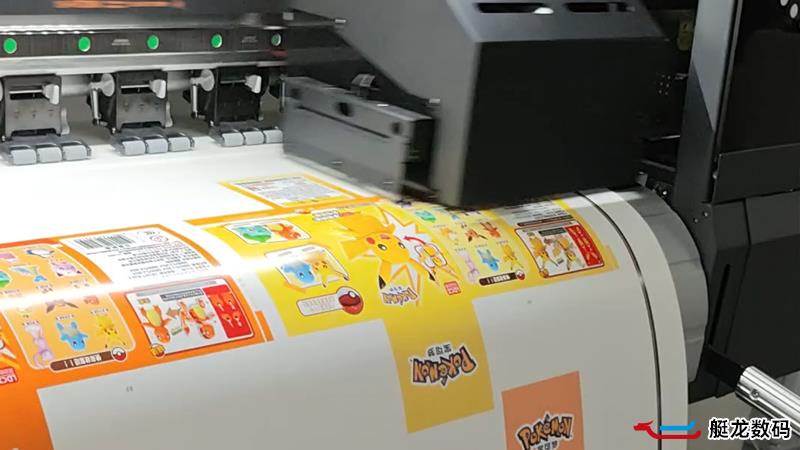
Against the backdrop of increasingly diversified consumer markets, the demand for small batch packaging is growing at an unprecedented rate. From start-up brands testing the market, to mature enterprises launching limited edition products, and to the rise of personalized customized gifts, small batch packaging orders have sprung up like mushrooms after rain. Digital printing technology, with its unique advantages, has gradually become a new choice to meet this demand.
The advantages of digital printing technology in small batch packaging
Fast response and flexible delivery
One of the biggest advantages of digital printing technology is its fast response capability. The traditional printing method requires a series of tedious processes such as film, plate printing, ink adjustment, and trial printing, while digital printing directly omits these steps, achieving a seamless transition from computer design to finished product output. Taking handbag customization as an example, after the customer submits the design draft, digital printing companies can usually complete production and delivery within 3-5 days, while traditional printing may take two weeks or even longer. This fast delivery capability is crucial for brands that urgently need to seize market opportunities.
Cost controllable and trial and error friendly
For small batch orders, the cost of traditional printing plate making often becomes an unbearable burden. The production cost of a PS version may reach thousands of yuan, while digital printing does not require plate making and is only charged based on the actual printing quantity. Taking customizing 500 plastic packaging bags as an example, the total cost of digital printing may only be 60% -70% of traditional printing. This "on-demand production" model greatly reduces the cost of trial and error, especially suitable for startups or brands that need to frequently change packaging designs.
Personalized customization and creative implementation
Another highlight of digital printing technology is its powerful personalized customization capability. Through variable data printing technology, each package can achieve unique patterns, text, and even QR codes. The color printing machine of Tinglong Digital is applied to a certain cosmetics brand to customize exclusive gift boxes for members. Each gift box's packaging is printed with the member's name and exclusive blessings. This "one-on-one" customization experience greatly enhances the brand's favorability. In addition, digital printing supports various sizes from A4 to SRA3, as well as paper thicknesses ranging from 50g to 450g, providing designers with a broader creative space.
Environmental Protection and Sustainability
In today's increasingly environmentally conscious world, the environmental advantages of digital printing technology are becoming more prominent. The waste liquid, waste plate, and exhaust gas generated in the traditional printing process cause significant environmental pressure, while digital printing does not require plate making and reduces the use of chemical agents. Meanwhile, digital printing supports on-demand production, avoiding inventory backlog and resource waste caused by traditional printing due to minimum order quantity restrictions.
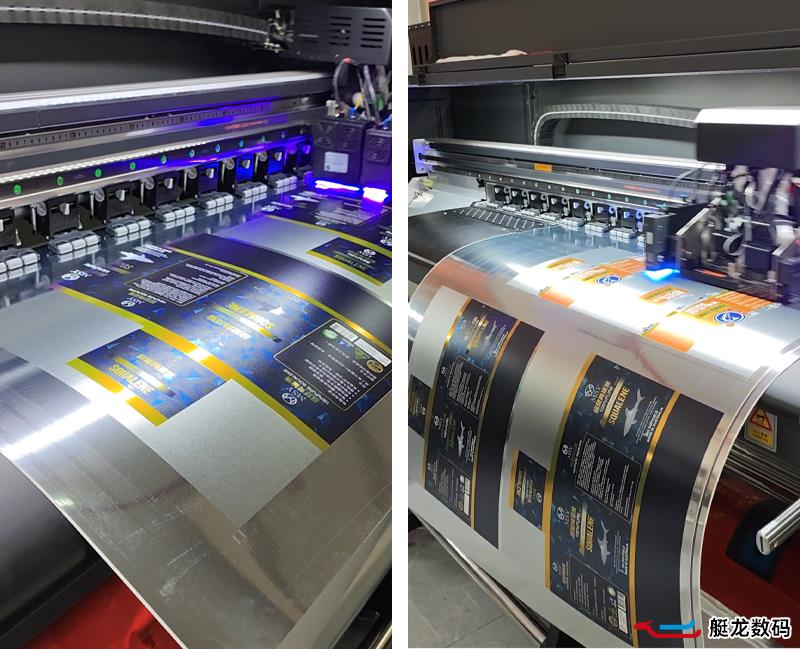
UV digital printer
The limitations of digital printing technology in small batch packaging
Cost disadvantage of bulk orders
Although digital printing has significant advantages in small batch orders, its single unit cost disadvantage gradually becomes apparent in large-scale production. Traditional printing, by sharing the cost of plate making, significantly reduces the cost per sheet as the printing volume increases. For example, when printing 100000 packaging bags, the unit price of traditional printing may be 30% -40% lower than digital printing. Therefore, for large-scale orders with stable demand, traditional printing is still a more economical choice.
Material and process limitations
Digital printing technology has high requirements for printing materials. At present, mainstream digital printing equipment is mainly suitable for conventional materials such as paper and plastic film, while for special materials such as metal and glass, the printing effect and adhesion may not be as good as traditional printing. In addition, the color expression of digital printing is slightly inferior to traditional printing, especially in terms of spot color reproduction and gradient effects. For example, some high-end cosmetic packaging requires precise Pantone color matching, and digital printing may not fully meet the requirements.
Production efficiency bottleneck
The production efficiency of digital printing equipment is relatively low. The daily output of a digital printing machine is usually around thousands of sheets, while the daily output of a traditional printing machine can reach tens of thousands of sheets. For urgent orders or large-scale production needs, digital printing may not be able to meet the time requirements. In addition, the maintenance cost of digital printing equipment is high, and issues such as nozzle blockage and ink replacement may affect production continuity.
Applicable scenarios and future prospects of digital printing technology
Despite its limitations, digital printing technology still has irreplaceable value in the field of small batch packaging. Its core application scenarios include: trial sales of start-up brands, limited edition product releases, personalized customized gifts, e-commerce fast-moving consumer goods packaging, etc. With the continuous advancement of technology, the color reproduction ability, material adaptability, and production efficiency of digital printing are gradually improving. For example, the new generation of UV digital printers can achieve high-precision printing of materials such as metal and glass, and the daily production capacity of high-speed digital printing machines has also exceeded the 10000 mark.
In the future, digital printing technology is expected to deeply integrate with artificial intelligence, big data and other technologies to achieve more intelligent production management. For example, by analyzing consumer data, brands can adjust packaging designs in real-time and quickly implement them through digital printing. Meanwhile, the application of environmentally friendly ink and biodegradable materials will further promote the sustainable development of digital printing technology.
In the current surge in demand for small batch packaging, digital printing technology has become a new favorite for brands and printing companies due to its advantages of fast response, controllable cost, and personalized customization. Despite limitations in large-scale orders and material processes, with the continuous iteration of technology, digital printing will inevitably occupy a more important position in the field of packaging printing. For brands, choosing digital printing is not only a strategy to meet market demand, but also a crucial step in embracing innovation and enhancing competitiveness.